The Eco Shelf
Three objects crafted to look responsible before they are. Scroll each surface and rate how “eco” they feel.
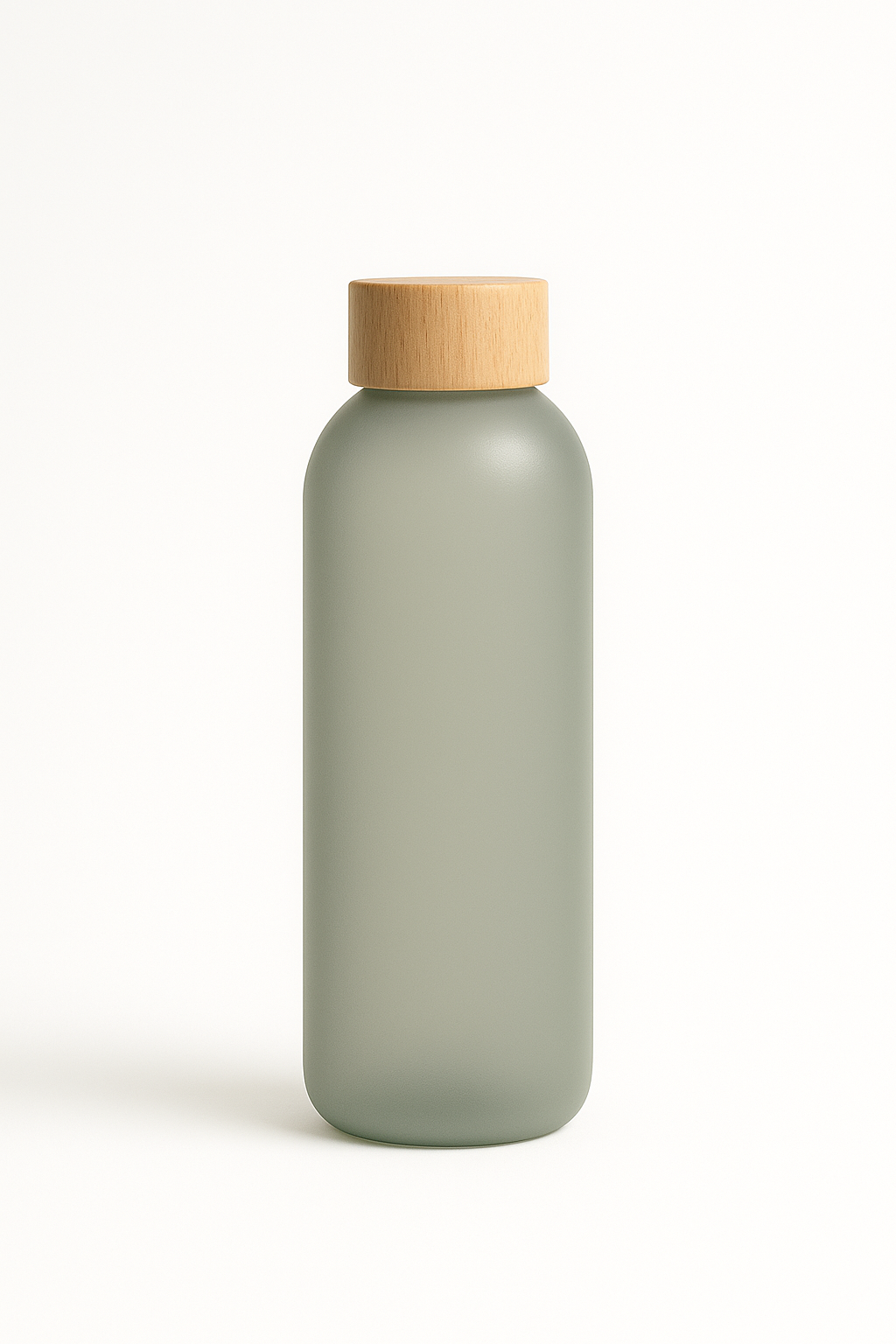
Eco Bottle
Refillable calm
A matte, almost silent bottle that looks like it solved something big just by existing.
How eco does this feel to you?
You feel: 80% eco.
- Steel and coatings sourced far from where it’s sold.
- Hand-wash only, but marketed as effortless.
- Owns more shelf space in photos than in real impact.
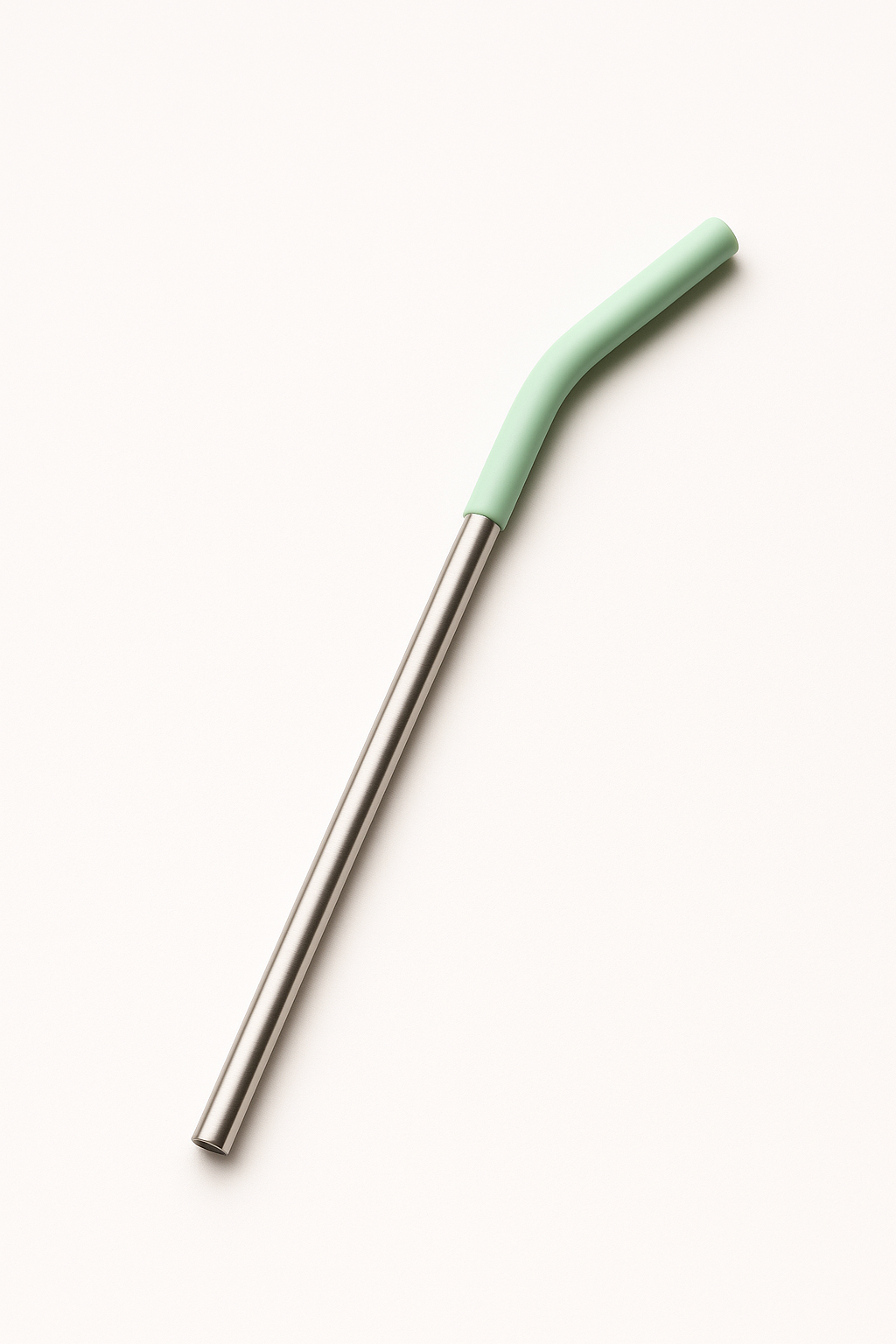
Reusable Straw
Sip-sized salvation
Polished metal, a soft green tip, and the promise that every iced latte is now a statement.
How eco does this feel to you?
You feel: 70% eco.
- Requires cleaning tools most people forget to use.
- Shipped and packaged like a small device, not a small habit.
- Doesn’t change what’s in the cup, only how it feels to drink it.
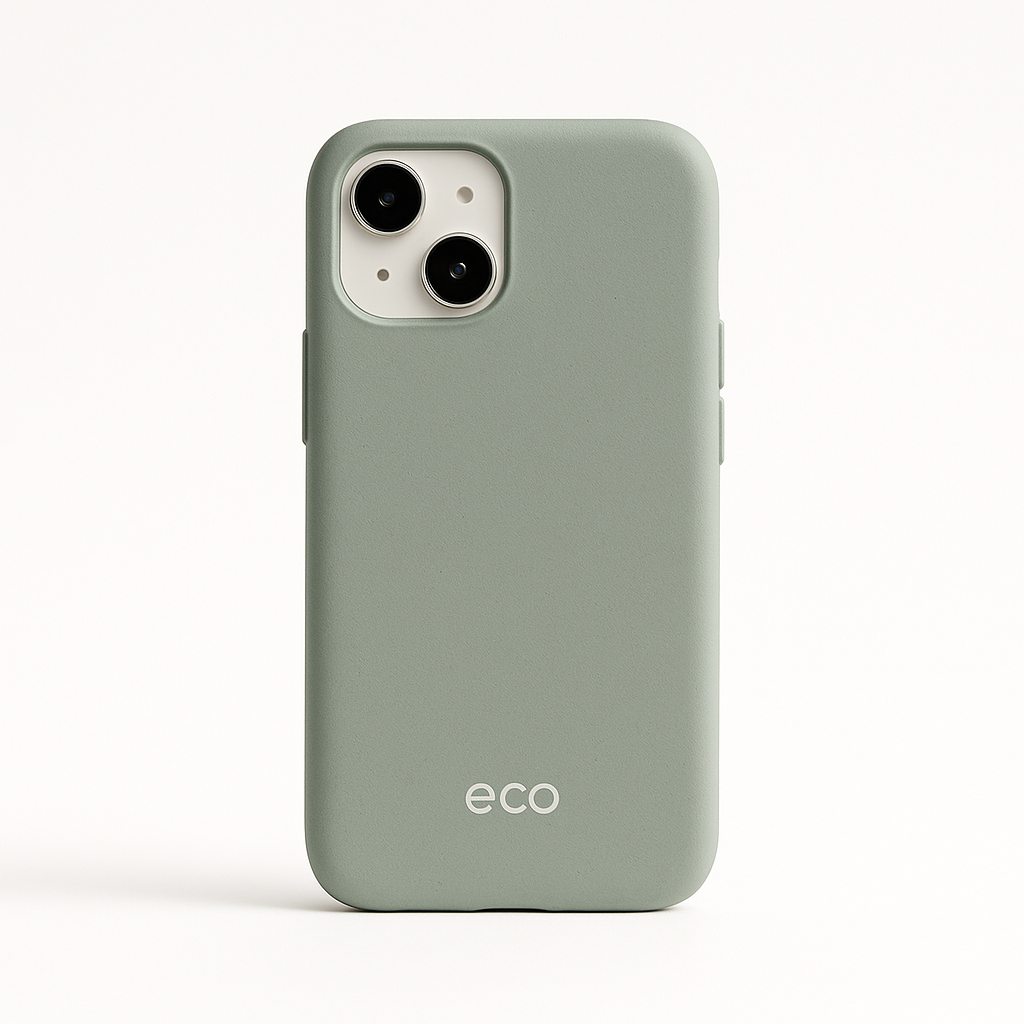
Eco Phonecase
Protected, not fixed
A soft-touch case in calm tones, promising to offset the device it will never outlive.
How eco does this feel to you?
You feel: 65% eco.
- Marketed as “plant-based” while wrapped in plastic.
- Replaced more often than the phone it protects.
- Recycling depends on facilities that rarely exist where it’s sold.